What Do You Need to Know After Being Injured at an Amusement Park?
What Do You Need to Know After Being Injured at an Amusement Park?
February 22, 2026
Most of us visit amusement parks to escape reality for a few hours. We go for the thrill of the roller coasters, the taste of cotton candy, and the sound of our children laughing. But when an injury occurs, that joy instantly turns into confusion and pain. One moment you are making memories; the next, you are facing ambulance rides, hospital bills, and a long road to recovery.
If this has happened to you, it is normal to feel uncertain about what comes next. At Lafferty, Gallagher & Scott, LLC, we have represented injury victims since 1973. We understand how stressful these situations can be, but rest assured, you are not overreacting. Your questions are valid, and you deserve answers.
Here is what you need to know after being injured in an amusement park:
- You may have the right to seek compensation if negligence played a role.
- Amusement parks are not automatically protected from liability.
- Waivers and warning signs do not always eliminate your legal options.
- Taking the right steps early can protect your health and your claim.
How Do Amusement Park Injuries Usually Happen?
We often assume that because rides are inspected and regulated, they are perfectly safe. While safety standards exist, serious accidents still happen. Understanding the cause of your injury is often the first step in determining who is responsible.
Common causes of park injuries include:
- Ride Malfunctions: Mechanical failures, such as lap bars unlocking or brakes failing.
- Poor Maintenance: Rust, loose bolts, or worn-out tracks that go ignored.
- Operator Error: Staff who are distracted, improperly trained, or fail to check restraints.
- Slip and Fall Hazards: Wet walkways, loose cables, or poorly marked steps in queue lines.
- Crowd Issues: Lack of security or crowd control leading to crushing injuries.
These incidents are rarely just “bad luck.” Often, they result from someone cutting corners on safety.
Is the Amusement Park Always Responsible If Someone Gets Hurt?
There is a common misconception that parks are either always liable or never liable. The truth lies somewhere in the middle. Responsibility usually depends on whether the park failed to act reasonably to keep guests safe.
This concept is known as “duty of care.” Amusement parks must maintain their property and rides to prevent foreseeable harm. If they fail to meet this standard, they may be held accountable.
Examples of failing this duty include:
- Ignoring known defects in a ride.
- Failing to follow required inspection schedules.
- Not providing clear warnings or instructions to riders.
- Allowing unsafe conditions to persist despite guest complaints.
It is okay if you do not know exactly what went wrong yet. An investigation can help uncover these details later.
Do Waivers and Warning Signs Mean You Gave Up Your Rights?
Seeing a waiver on the back of a ticket or a “Ride at Your Own Risk” sign can be discouraging. Many people assume these disclaimers mean they cannot sue, even if the park was negligent.
However, waivers do not erase all legal responsibility. A park cannot usually waive away liability for gross negligence or reckless behavior. If a ride operator was intoxicated or a mechanic ignored a critical safety alert, a generic warning sign will not protect the park from the consequences.
What Should You Do Right After an Amusement Park Injury?
The steps you take immediately after an accident can significantly affect your ability to file a successful injury claim. Here are some recommended actions:
- Seek Medical Attention: Your health comes first. See a doctor even if you think the injury is minor, as adrenaline can mask pain.
- Report the Incident: Tell park staff what happened and request a copy of the incident report.
- Document Everything: Take photos of the ride, the hazard that caused your accident, and your injuries. Collect contact information from witnesses.
- Watch Your Words: Avoid making statements like “I’m fine” or “It was my fault” until you understand the full extent of your injuries.
- Seek Legal Guidance: Contact an attorney before speaking to insurance adjusters.
By taking these steps promptly and carefully, you can protect your rights, gather essential evidence, and position yourself for a successful resolution to your claim.
You Deserved a Day of Fun, Not a Legal Headache
You went to the amusement park trusting that you would be safe. When that trust is broken, you deserve support. Do not let the complexity of the situation stop you from seeking the help you need.
If you have questions about your injury, reach out to the attorneys at Lafferty, Gallagher & Scott, LLC. We can help you understand your options and move forward.
SHARE THIS POST
facebookTESTIMONIALS
Related News
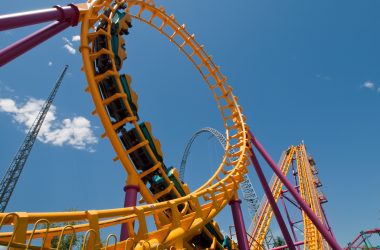
22
FebWhat Do You Need to Know After Being Injured at an Amusement Park?
Most of us visit amusement parks to escape reality for a few hours. We go for the thrill of the roller coasters, the taste of cotton candy, and the sound of our children laughing. But when…
28
JanWhat If I’m Injured in a Crash, but I Wasn’t Driving?
When you are injured as a passenger, pedestrian, or bystander, the aftermath of a crash can feel uniquely chaotic. You didn’t cause the accident, you weren't even behind the wheel, yet you are the one dealing…
19
JanWhat Are the Signs of a Spinal Cord Injury?
After a car accident, it’s common to feel shaken, sore, and unsure of what your body is trying to tell you. Adrenaline can mask pain at first, so symptoms like tingling, numbness, or back pain may…
REQUEST A FREE CONSULTATION
CONTACT US

Attorney Advertising. This information is designed for general information only. The information presented should not be construed to be formal legal advice nor the formation of a lawyer/client relationship. Past results and testimonials are not a guarantee, warranty, or prediction of the outcome of your case, and should not be construed as such. Past results cannot guarantee future performance. Any result in a single case is not meant to create an expectation of similar results in future matters because each case involves many different factors, therefore, results will differ on a case-by-case basis. By providing contact information, users acknowledge and give explicit consent to be contacted via the methods of communication provided, including SMS. Message and data rates may apply. Message frequency may vary. Reply STOP to opt out.
NUVEW | Copyright 2026 All Rights Reserved | Accessibility Notifications | Privacy Policy