
How Can a Spinal Injury Impact a Person’s Life?
How Can a Spinal Injury Impact a Person’s Life?
June 28, 2025
The spinal cord is the most crucial pathway for brain-body communication, yet over 15 million people globally live with a spinal cord injury (SCI), according to the World Health Organization. These injuries can drastically alter lives, impacting daily routines, emotions, finances, and relationships. At Lafferty Gallagher & Scott, we’ve spent over 50 years standing alongside spinal injury victims, witnessing firsthand the immense challenges they face every day. This blog explores the significant impact of spinal cord injuries, highlighting why seeking compensation after such an injury caused by someone else’s actions is not just important—it’s essential.
Types and Levels of Spinal Cord Injury
A spinal cord injury is classified as either complete or incomplete:
- Complete injury: No nerve communication exists below the damage site, causing a total loss of sensation and motor function. This often results in paralysis.
- Incomplete injury: Some nerve signals continue to flow, allowing partial sensation or movement.
The location of the injury determines its effects:
- Tetraplegia/Quadriplegia: Caused by upper spinal cord injuries, this affects both arms and legs, along with core functions like breathing.
- Paraplegia: Resulting from lower spinal injuries, it impacts the legs and sometimes the lower torso, but upper body movement is preserved.
The Physical Burden of Spinal Cord Injuries
SCIs often demand extensive medical care and cause numerous physical challenges, including:
- Loss of motor function and paralysis: Resistance to regaining movement is often permanent.
- Sensory changes: Individuals may experience numbness, tingling, or chronic neuropathic pain.
- Bladder and bowel control issues: Independence is further compromised by the loss of these basic functions.
- Sexual dysfunction: A lesser-discussed, but equally significant, loss of intimacy and reproduction capabilities.
- Respiratory difficulties: Upper spinal injuries can lead to impaired breathing, necessitating ventilators or other support.
Each of these challenges requires intensive, ongoing medical care, further compounding the burden for SCI victims and their families.
Psychological and Emotional Impacts
The emotional toll of a spinal cord injury is unpredictable and multifaceted:
- Depression and anxiety: The sudden lifestyle shift often triggers intense emotional distress.
- Post-traumatic stress disorder (PTSD): The shock of the accident leading to the injury can linger long after physical recovery begins.
- Body image and confidence issues: Physical changes can alter self-perception and relationships with others.
- Social isolation: Feelings of dependency may make it hard to maintain or build personal relationships.
Without proper emotional support, these challenges can overwhelm a victim, underscoring the need for a strong personal and professional support network.
The Steep Financial Costs of SCIs
Spinal injuries bring substantial medical and lifestyle expenses:
- Ongoing treatments: SCI victims often require rehabilitation, physical therapy, and specialized medical devices like wheelchairs or braces.
- Lost income: Many individuals lose their ability to work, limiting their ability to provide for themselves or their families.
- Home modifications: Ramps, elevators, and adjusted furniture can help accommodate changing needs but are costly.
- Assistive technology: Computer aids, mobility devices, and voice-controlled tech enhance independence but come at a premium.
The financial burden creates a domino effect, often increasing stress and emotional strain.
Lifestyle and Social Changes
Spine injuries alter not just the person affected, but also the lives of those around them:
- Relationships: Spousal or parental roles often shift due to injury, and caregivers may feel overwhelmed.
- Day-to-day independence: Activities like cooking, traveling, or even dressing require assistance.
- Barriers to accessibility: Limited infrastructure in places without wheelchair accessibility can make daily outings burdensome.
Navigating these changes is daunting, but many victims find purpose and empowerment through support groups, counseling, or community initiatives.
Compensation and Support Are Available
Navigating life after a spinal cord injury is overwhelming—but you don’t have to do it alone. Whether you’re facing physical, emotional, or financial challenges, comprehensive legal support can offer a path forward.
If someone’s negligence caused your injury, you deserve compensation to aid your recovery and secure your future. Lafferty Gallagher & Scott is here to provide compassionate, experienced legal support every step of the way. Contact us today to learn more.
TESTIMONIALS
Related News
19
JanWhat Are the Signs of a Spinal Cord Injury?
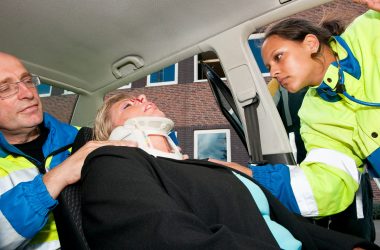
After a car accident, it’s common to feel shaken, sore, and unsure of what your body is trying to tell you. Adrenaline can mask pain at first, so symptoms like tingling, numbness, or back pain may…

14
JanHow Do Federal Trucking Rules Impact My Injury Claim?
When you’re recovering from a truck accident and getting ready to file a claim, it’s natural to feel intimidated by the size of the trucking industry and the laws that regulate it. You may wonder whether…

16
DecWhat Counts as a Catastrophic Injury?
When your life changes overnight after a serious accident, you are left with pain, questions, and a deep worry about the future. You are hurt, and you need to understand what your case might be worth.…
REQUEST A FREE CONSULTATION
CONTACT US

Attorney Advertising. This information is designed for general information only. The information presented should not be construed to be formal legal advice nor the formation of a lawyer/client relationship. Past results and testimonials are not a guarantee, warranty, or prediction of the outcome of your case, and should not be construed as such. Past results cannot guarantee future performance. Any result in a single case is not meant to create an expectation of similar results in future matters because each case involves many different factors, therefore, results will differ on a case-by-case basis. By providing contact information, users acknowledge and give explicit consent to be contacted via the methods of communication provided, including SMS. Message and data rates may apply. Message frequency may vary. Reply STOP to opt out.
NUVEW | Copyright 2026 All Rights Reserved | Accessibility Notifications | Privacy Policy